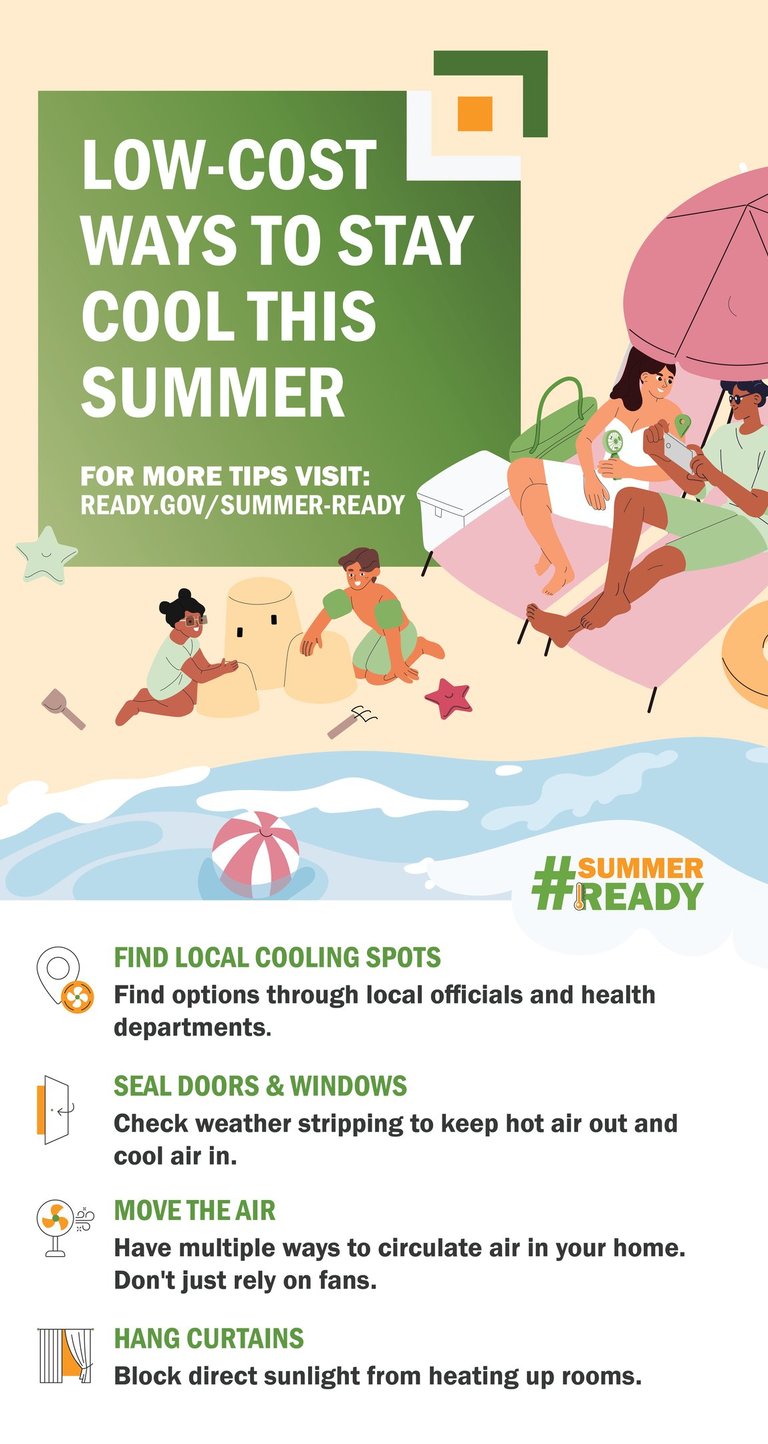
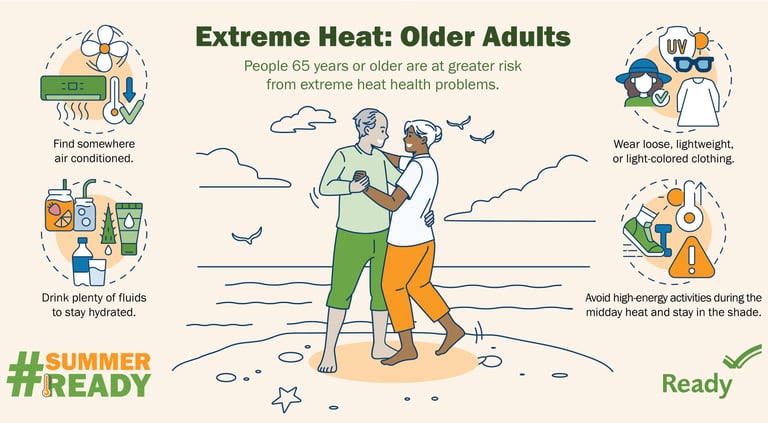
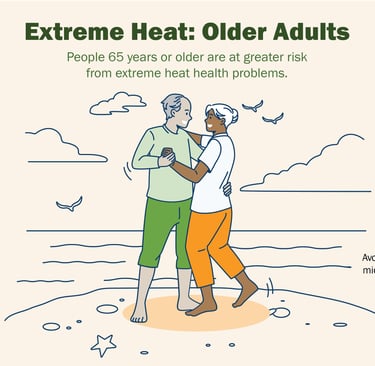
Summer heating tips...
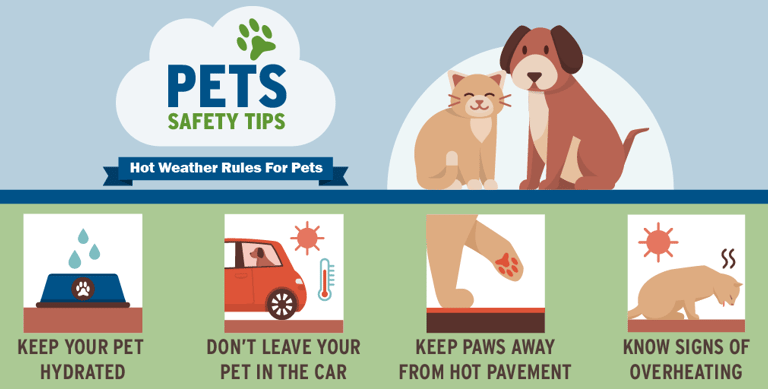
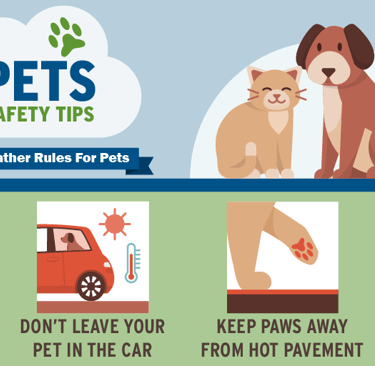
For more heat related safety tips and information,visit our friends at Ready.gov
Outdoor Fire Safety
Clear Debris: Remove dead branches, dried leaves, and pine needles from roofs, gutters, and within 5 feet of the home.
Create Defensible Space: Keep wood piles, yard waste, and trash at least 30 feet away from houses, sheds, and garages.
Burn Hazards: Be aware that early spring is high-risk for brush fires due to dry vegetation, particularly before leaves fully form.
Campfire Safety
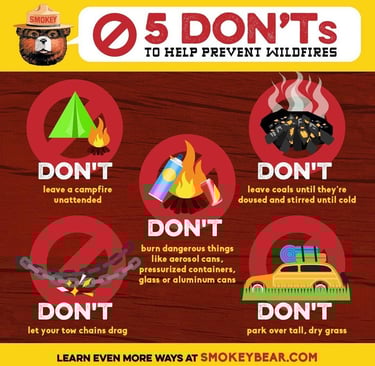
Pour lots of water on the fire until the hissing sound stops, drowning all the embers — don’t extinguish a fire with just dirt or sand.
Stir
Use your shovel to stir the water into the embers, dirt, and sand, and mix well. Scrape any sticks and logs until no embers are exposed or smoldering, not just the red ones.
Drown
Continue adding water, dirt, and sand until all material is cool.
Feel
Hover the back of your hand over the ashes to feel that the embers are cool — don’t leave without making sure your fire is entirely out.
Never use water on a grease fire...even on a Grill!
If a grease flare-up occurs, turn off the burners or fuel source if it’s safe to do so, then close the grill lid to smother the flames by cutting off oxygen.
If using a charcoal grill, close the top and bottom vents once you put the lid on. Use a fire extinguisher rated for grease fires (called a “Class B” fire) or baking soda to fully suppress the flames.
For information on how to grill safely, visit the National Fire Protection Association (NFPA) grilling and cooking sites, and the US FEMA site.
BE CAREFUL WHEN GRILLING
Keep away from flammable objects
Whether using a charcoal, electric, or propane grill, make sure flammable objects and tree overhangs are at least 3 feet away from the grill.
Never leave the grill unattended
Always be vigilant around your grill — don’t play around, and keep an eye on children and pets.
Look out for smoking or burning
Always keep your grill clean, and watch for wisps of smoke or burning smells (early signs that grease may ignite).
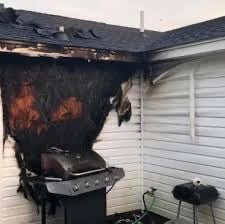
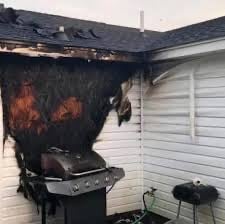
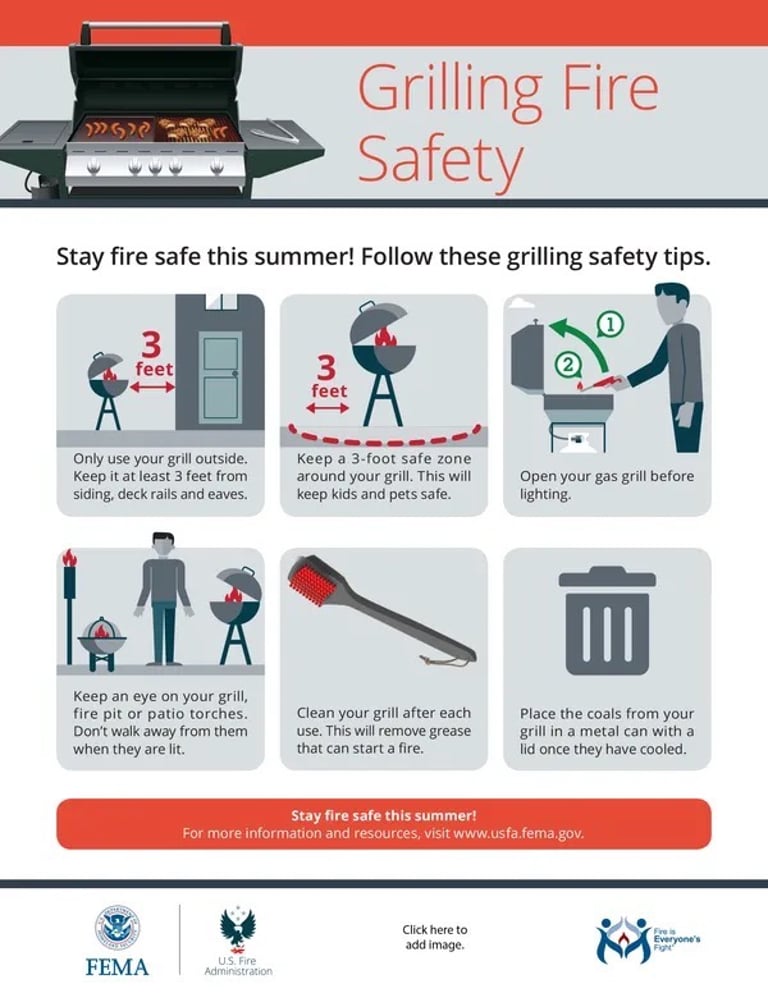
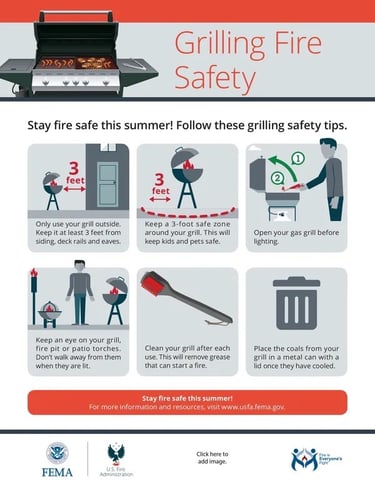
It's Grill Time!!
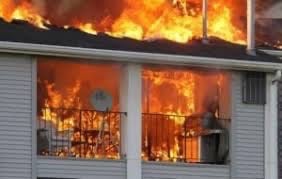
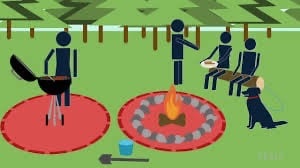
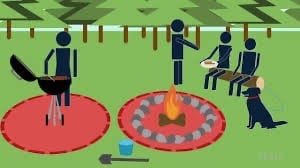
Give us space!
When you are in your yard keep 3 feet around your grill and your campfire. This helps to protect children and pets. Always keep at least 10 feet between the grill and any structures.
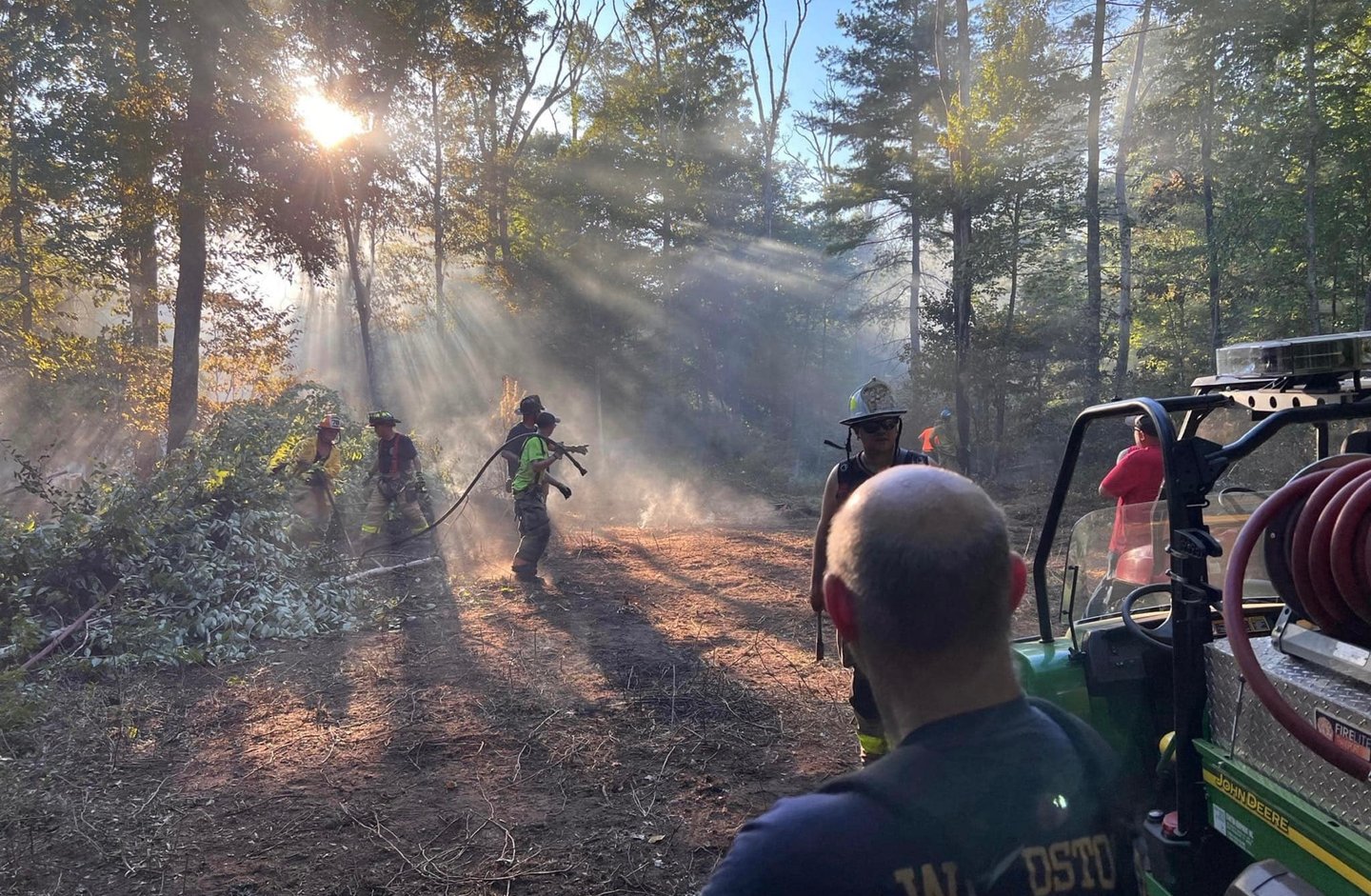
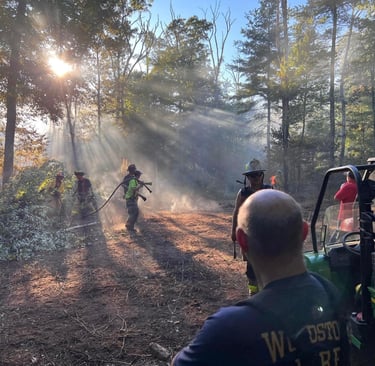
BrushFire Awareness
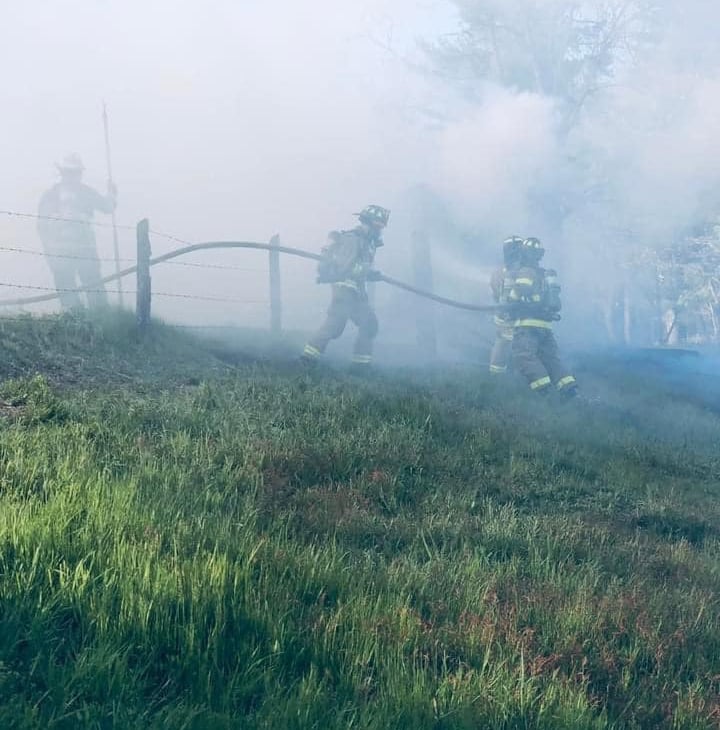
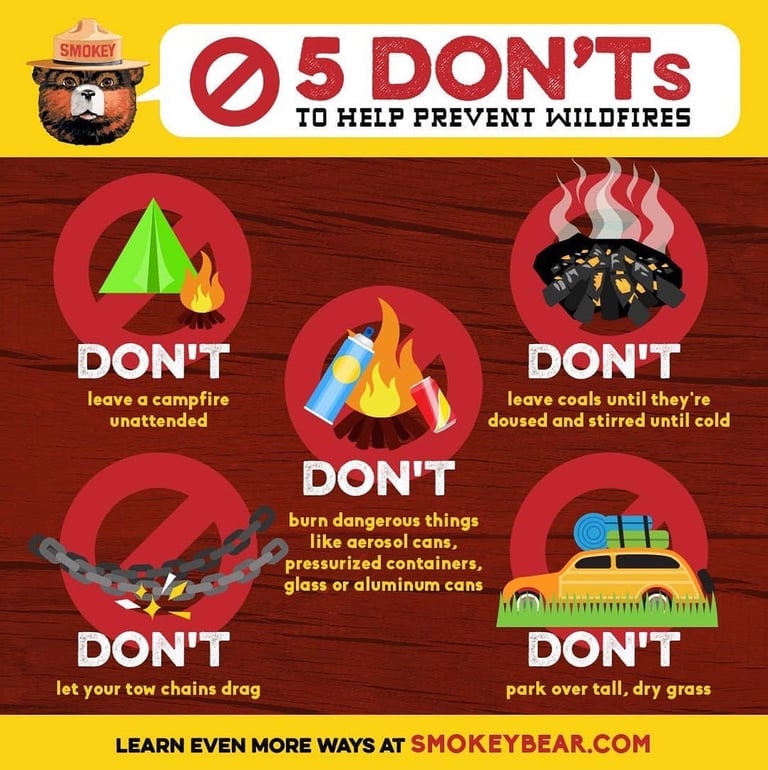
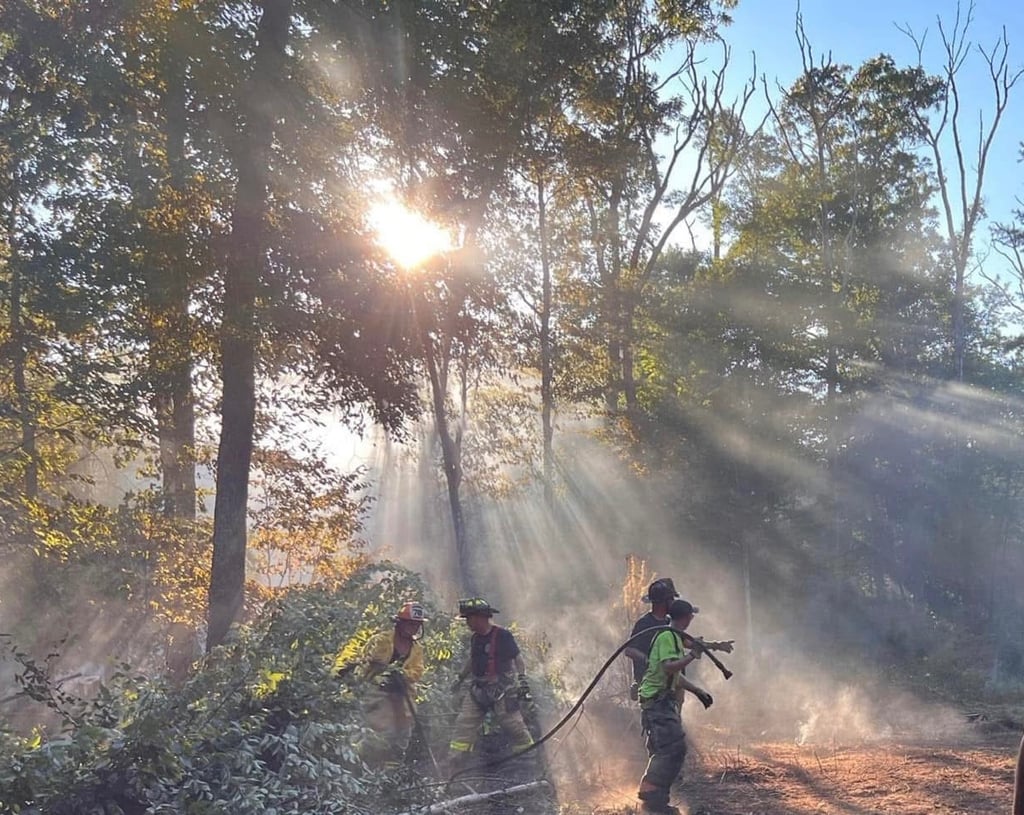
There are some simple things you can do to keep your property safe from brush fires. Even with the rain, the woods are still full of leaves and branches that make perfect fuel. If you have been following the news recently you may have seen that the midwest is dealing with multiple fires over hundreds of thousands of acres. The fire services in those areas are reporting that only one of the fires was the result of a lightning strike. The remaining numerous, barely or completely uncontained fires were manmade. Campfire sparks, illegal burns, etc. Please do what you can to prevent losses of this magnitude in our community.

February
Are you Heart Healthy?
According to the American Heart Association, cardiovascular disease - which includes heart disease and stroke - remains the leading global cause of death with more than 17.3 million deaths each year.
Every 40 seconds someone in the United States has a heart attack and over 48% of adults have some form of cardiovascular disease. However, the Risk Factors for Heart Disease have been Cleary identified for years and the top risks include,
*high blood pressure
*obesity
*high cholesterol
*physical inactivity
*smoking
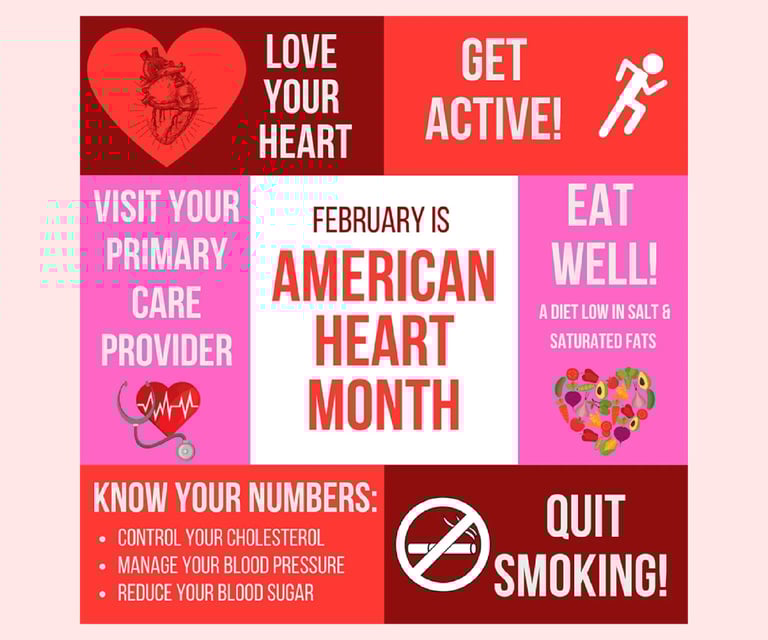
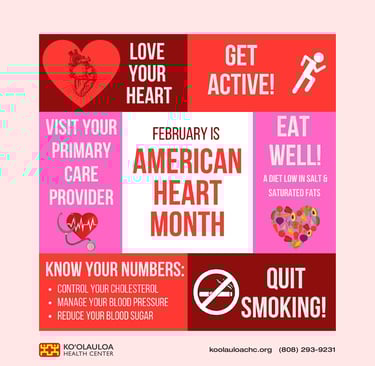
Knowing the risk factors is very important, but acting on them is the most important thing you can do for your health. So in the month of February we invite you to BE SWEET TO YOUR HEART!
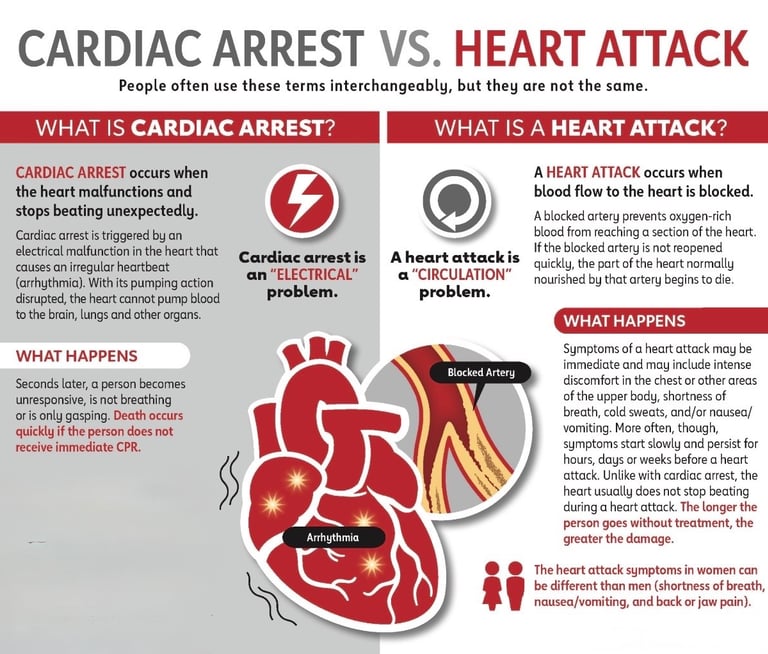
Cardiac Arrest? or Heart Attack?
If someone is in cardiac arrest and they are not breathing, they need CPR to survive. Their chance of a successful outcome is doubled or tripled if CPR is started immediately. Then if an AED is available, it should be used as soon as possible.
If someone is experiencing a heart attack, they need to get to a hospital emergency room ASAP.
If you are having symptoms of a heart related emergency, calling 911 is crucial.
Our current CPR classes are filled to capacity. We will advertise any upcoming community classes here and on our Facebook page. You can always visit, The American Heart Association at www.heart.org for more information on all things heart health and any classes they offer.

January
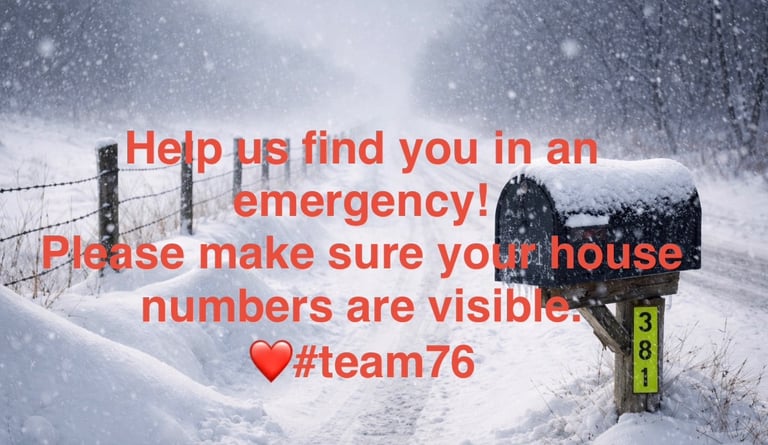
If you call for us in bad weather and we cannot see your house numbers we may pass your driveway. As many of you know, in our rural areas, that means driving a distance more to find somewhere to safely turn around large apparatus. This delays our response to your emergency when seconds count. Please take a moment to clear your mailbox, house numbers and entryway. Help your neighbor also!
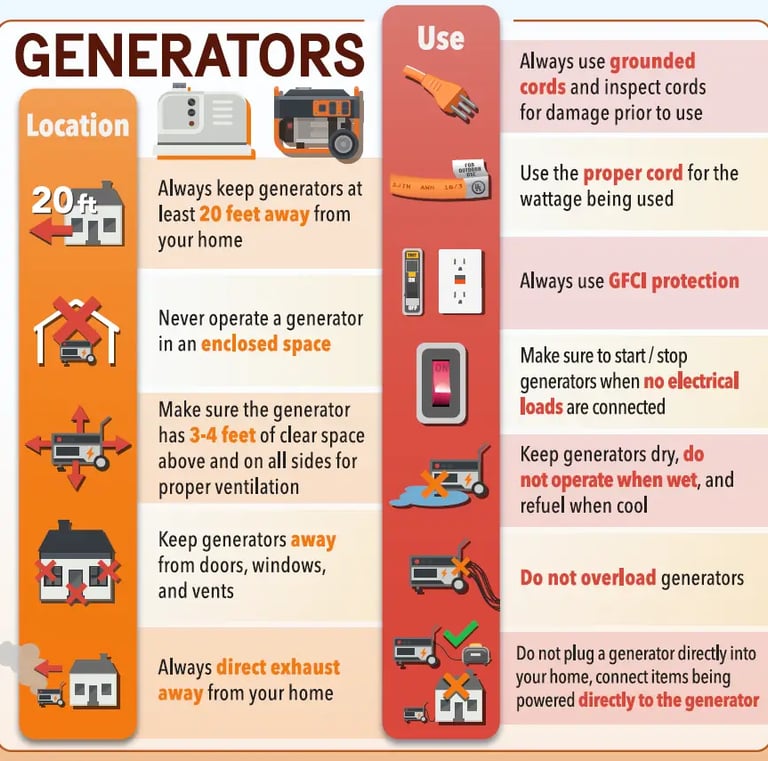
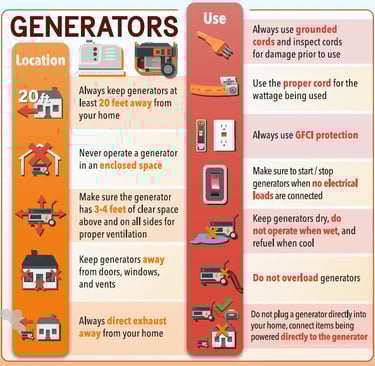
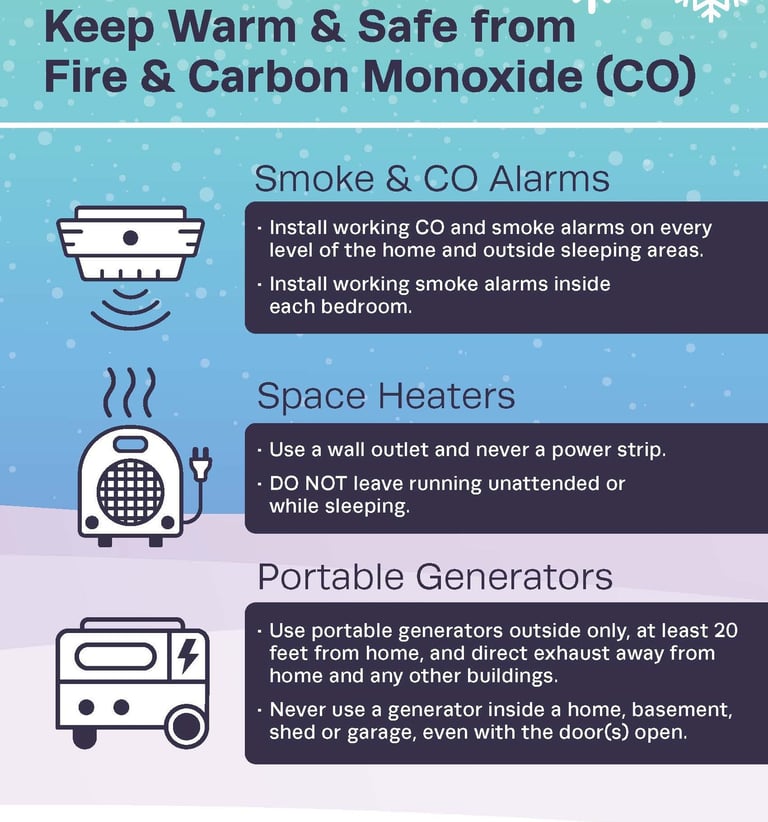
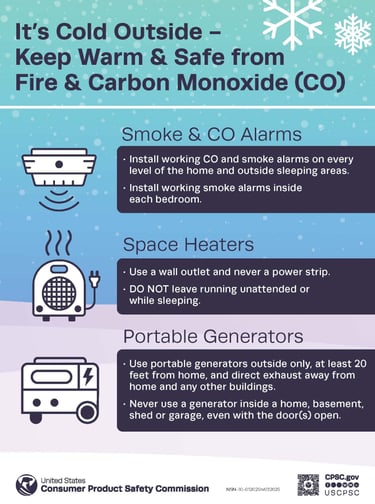
Generator & CO Safety
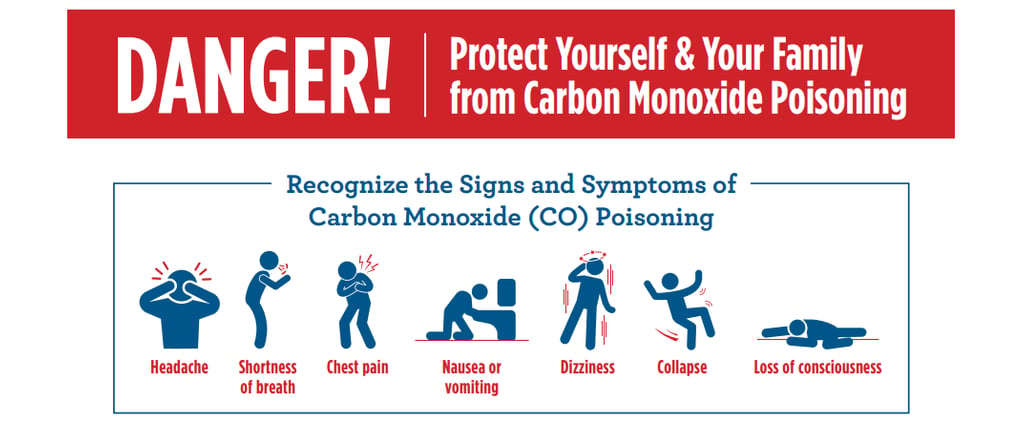
Know the Symptoms of Deadly Carbon Monoxide
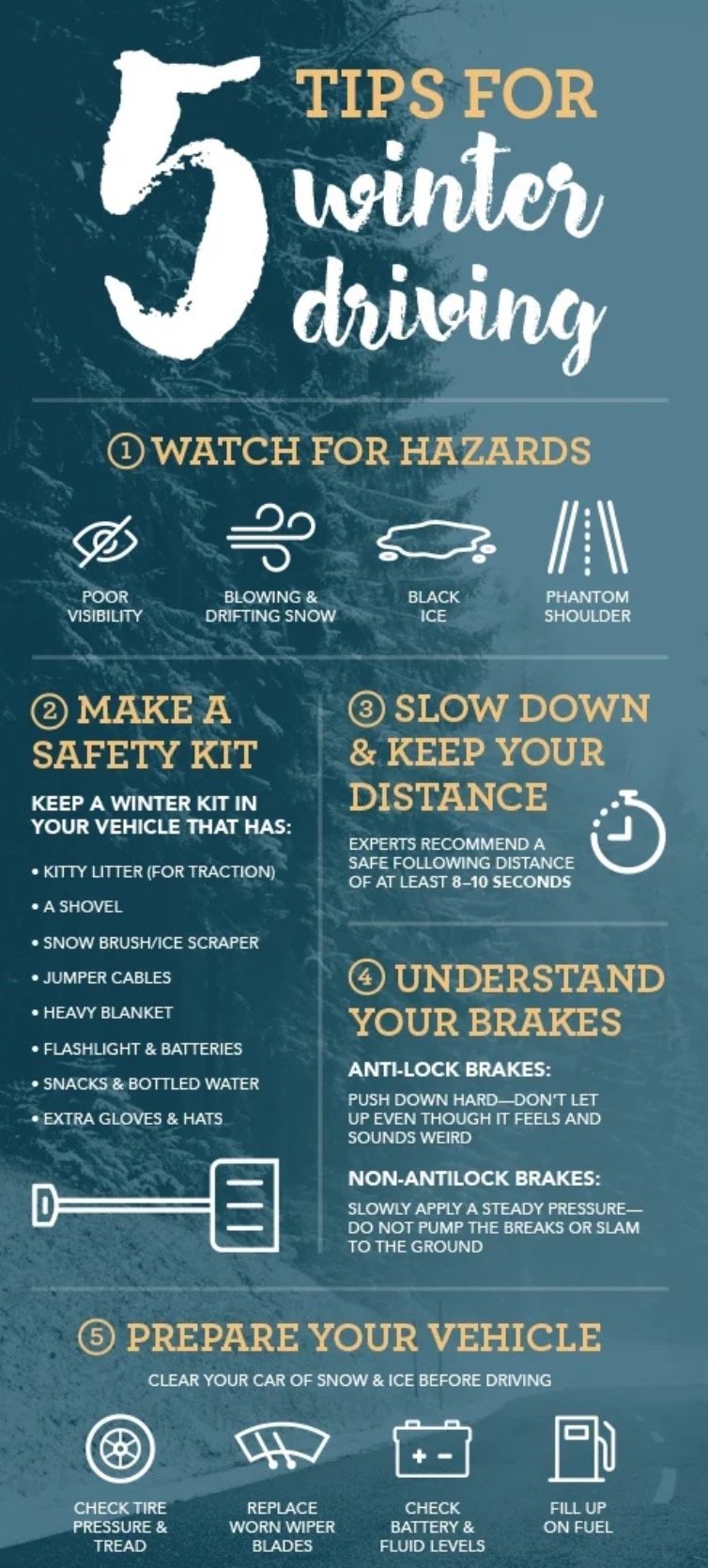
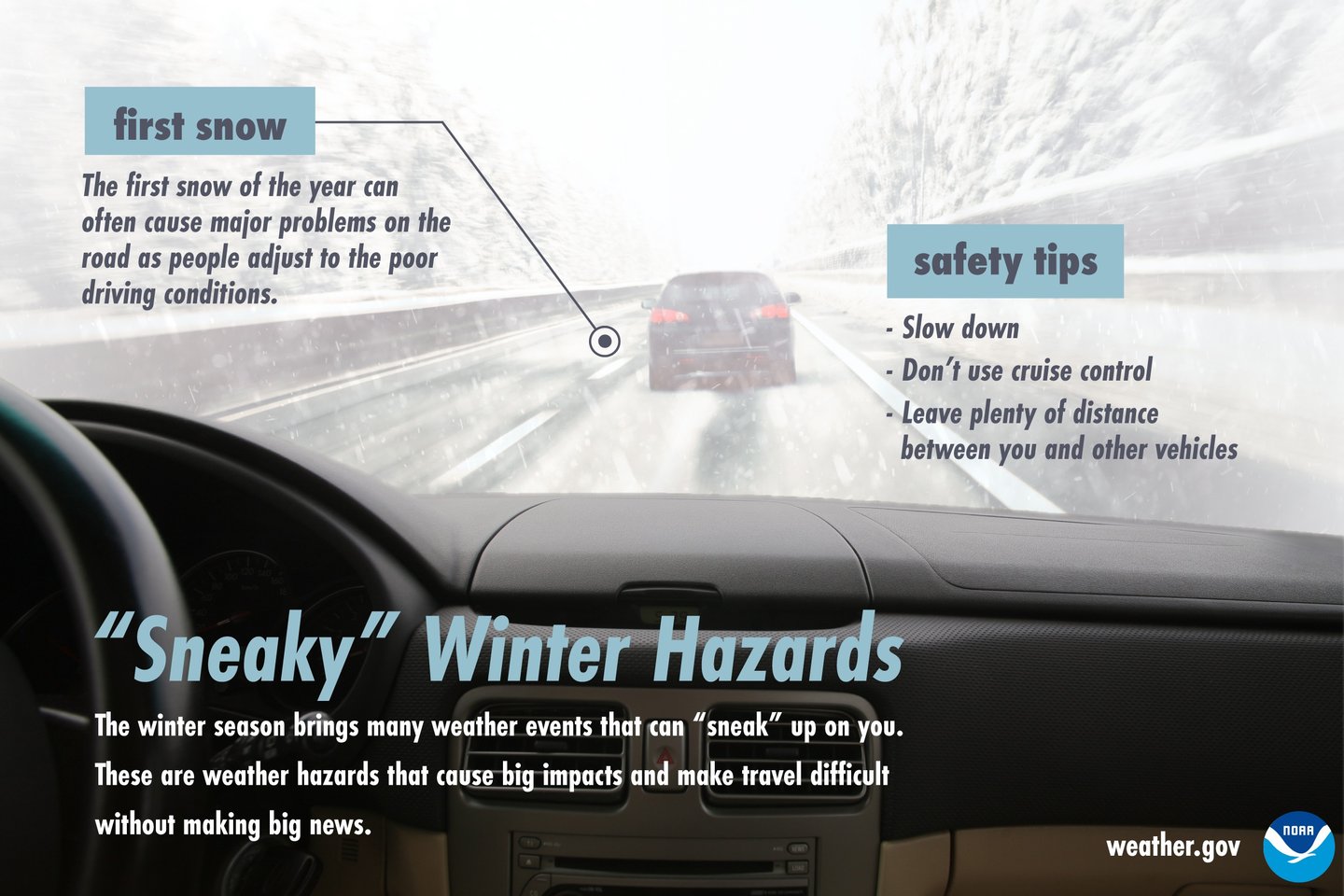
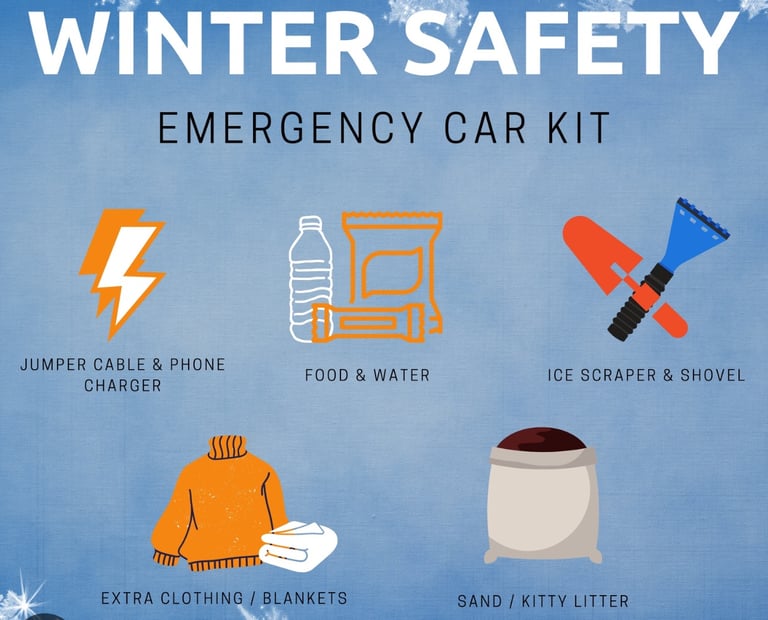
As we enter New England winter season it is important to take steps to prepare yourself and your vehicle for some hazardous driving. Take steps now to help prevent accidents and stay safe this winter.
Winter Safety
Our Work
Helping Keep Woodstock Safe.
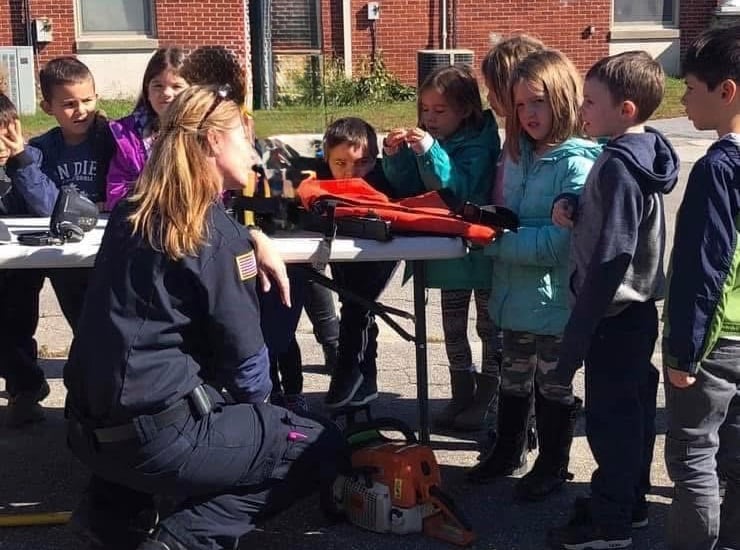
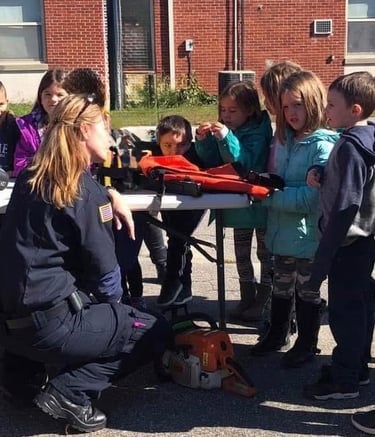
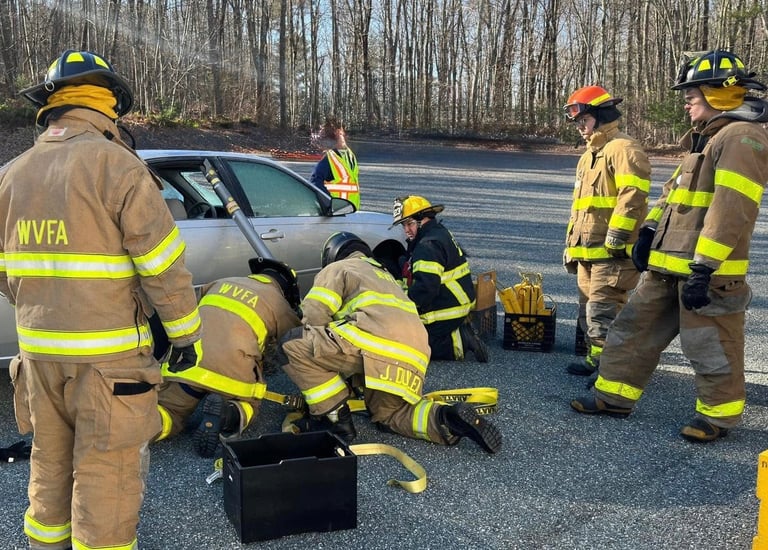
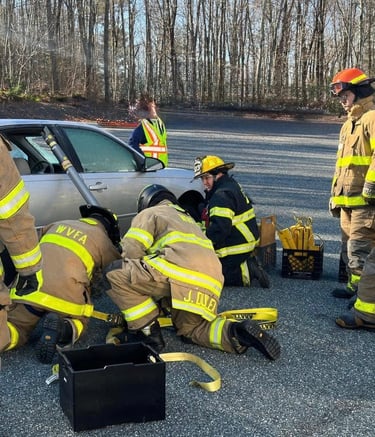
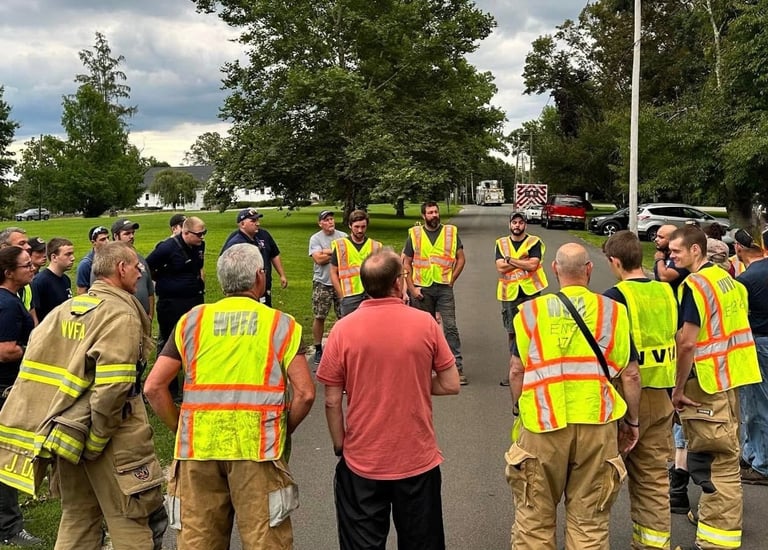
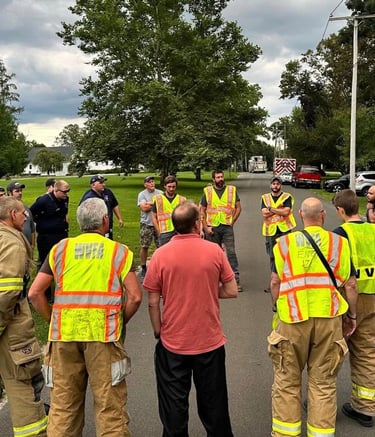
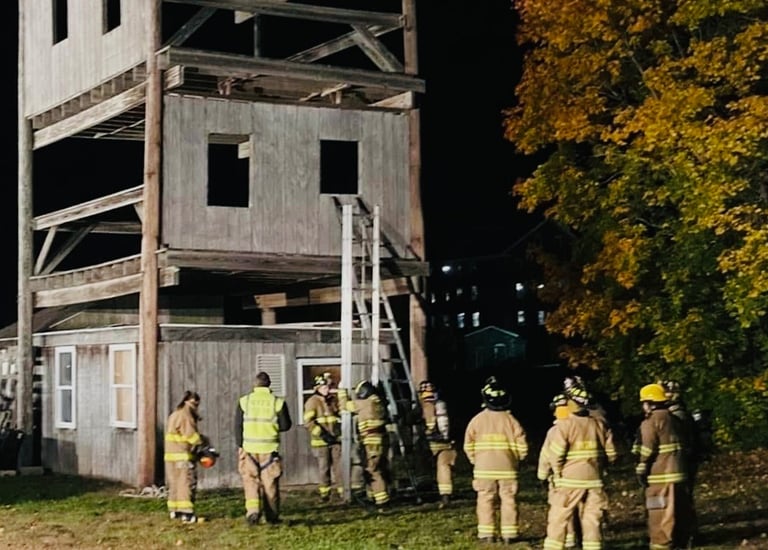
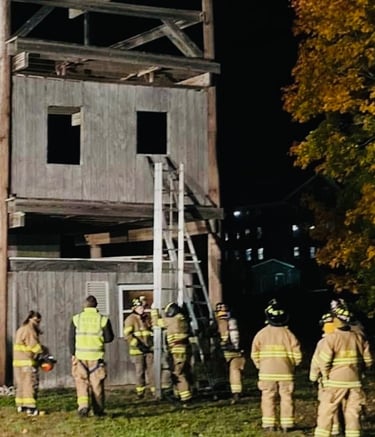
Emergency Drills
Training for all scenarios.
Fire Tips
How prevent wildfires
Clear dry brush and leaves regularly to reduce fire fuel near your home. Make sure fireplace coals are completely cold prior to disposal and always use metal containers for them.
Smoke alarm tips
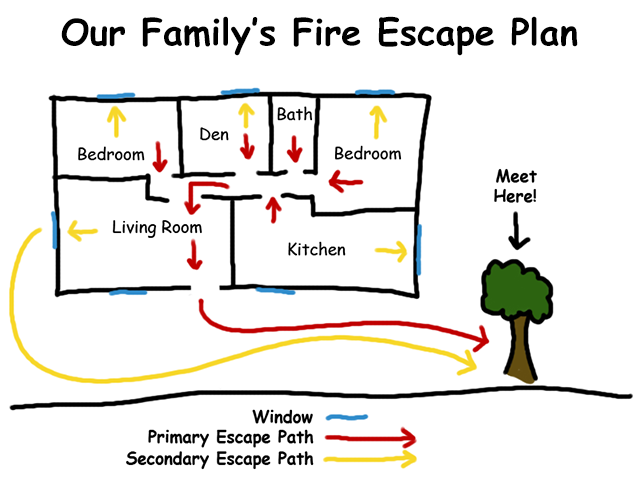
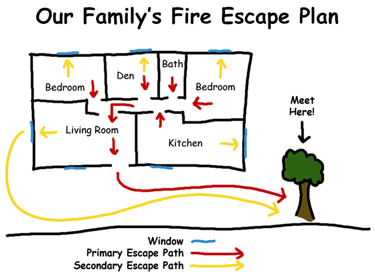
Emergency Plan
Have an evacuation plan, keep emergency kits ready, and stay informed about local fire conditions.
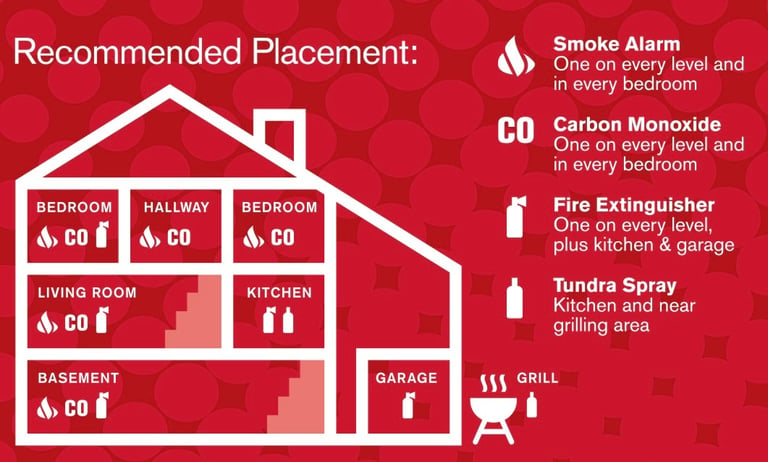
Test your smoke alarms monthly and make sure you change the batteries at least once per year.
Call 911 immediately for any fire or medical emergencies in our service area.
We need your help
We are always looking for volunteers to help protect and serve our community. Visit our volunteer page for more details.
Contact
contact@woodstockfire.org
(860) 928-3163 Station Phone NON-EMERGENCIES
© 2026. All rights reserved.
911 FOR ALL EMERGENCIES
(860) 774-7555 QV Dispatch NON-EMERGENCIES